Empowered Jurors are Guardians of Liberty Against Unjust Laws

Brady List
Potential Impeachment Disclosure [PID] Database
Transparency. Accountability. Due Process.
Explore public-facing accountability records and potential impeachment disclosures involving law enforcement officers, prosecutors, judges, and government agents.
Articles
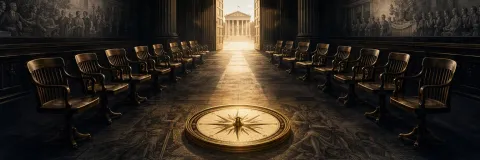
The Hidden Potential
Jury nullification is one of the most misunderstood and underappreciated tools in the American legal system. At its core, it occurs when jurors refuse to convict a defendant despite evidence of guilt because they believe the law itself is unjust or improperly applied. While critics dismiss nullification as a threat to the rule of law, its hidden potential lies in its ability to correct systemic injustices and reaffirm the role of the jury as a moral compass in the legal process.
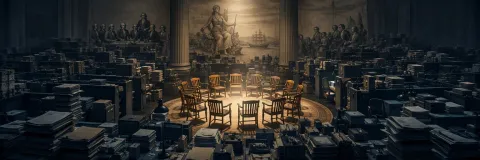
Bureaucratic Expansion
The Influence on Jury Autonomy
The jury system has long been celebrated as a cornerstone of democracy, a mechanism through which ordinary citizens can serve as a check on governmental power. Yet, the growing bureaucratic complexity of the American justice system has steadily eroded this autonomy, diminishing the jury’s ability to act as an independent arbiter of justice. This bureaucratic expansion prioritizes efficiency, conformity, and control, often at the expense of fairness and community oversight.
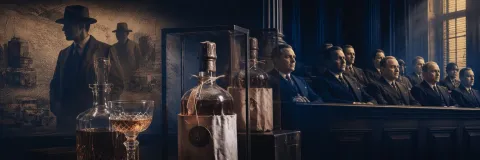
Cheers to Defiance
Jury Nullification and Prohibition’s Legal Rebellion
The Prohibition era, spanning from 1920 to 1933, marked one of the most controversial periods in American legal history. Championed by temperance advocates, Prohibition sought to eliminate alcohol consumption to curb crime, domestic abuse, and other social issues. The result was the 18th Amendment, enforced through the Volstead Act, which banned the manufacture, sale, and distribution of alcohol nationwide.
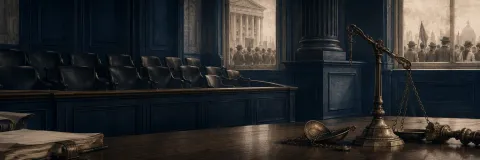
Justice on Trial
All-White Juries and Civil Rights-Era Acquittals
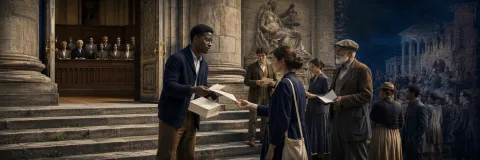
The Civil Rights Movement of the mid-20th century marked a transformative period in American history, as activists sought to dismantle the entrenched system of racial segregation and discrimination. Yet, during this struggle for equality, the courtroom often became a battleground where justice was denied. All-white juries, particularly in the Jim Crow South, frequently acquitted white defendants accused of heinous crimes against Black victims, perpetuating the racial inequality activists sought to eradicate.
Grassroots Movements
The Obstacles They Face
Grassroots movements have historically been the driving force behind societal change, challenging entrenched systems and advocating for justice. Among these movements, those promoting jury nullification play a unique and critical role, empowering citizens to resist enforcing unjust laws. Yet, these movements face significant obstacles from legal institutions, political resistance, and public misinformation, all of which threaten their ability to educate jurors about their full rights and responsibilities.
Attorney Privilege
Ethical Restrictions on Nullification Arguments
Jury nullification is one of the most controversial yet essential aspects of the American legal system. It allows jurors to acquit a defendant, even in the face of clear evidence, if they believe the law is unjust or its application in the case is inappropriate. While jurors have the right to nullify, attorneys face stringent ethical restrictions that prevent them from openly advocating for nullification during trials.
Media Image