Empowered Jurors are Guardians of Liberty Against Unjust Laws

Brady List
Potential Impeachment Disclosure [PID] Database
Transparency. Accountability. Due Process.
Explore public-facing accountability records and potential impeachment disclosures involving law enforcement officers, prosecutors, judges, and government agents.
Articles
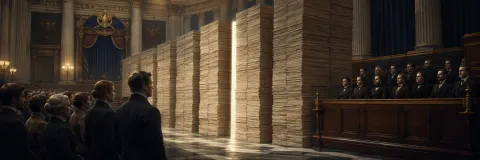
Legislative Efforts
to Silence Jury Nullification Awareness
The jury system has long been a cornerstone of democratic justice, designed to empower ordinary citizens to act as a check on governmental overreach. At its heart lies the principle of jury nullification, where jurors refuse to convict defendants when they believe a law is unjust or improperly applied. However, in recent years, legislative and judicial efforts to suppress awareness of jury nullification have intensified, undermining this critical mechanism of accountability.
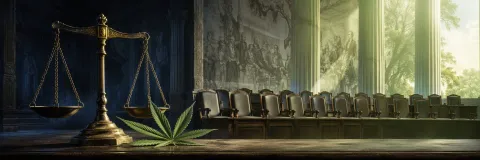
Cannabis & Conscience
Jury Nullification in Marijuana Cases
The story of marijuana legalization in the United States is one of gradual change, driven by shifting societal values and persistent activism. Yet, long before cannabis became legal for medical or recreational use in many states, jurors were quietly resisting the enforcement of harsh anti-cannabis laws. Through acts of jury nullification, they challenged the legality of punishing individuals for marijuana-related offenses, reflecting a growing discontent with the status quo.
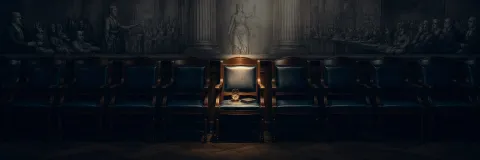
A Juror’s Conscience
The Laura Kriho Contempt Case
In the annals of jury nullification, few cases are as controversial or instructive as that of Laura Kriho. In 1996, Kriho, a resident of Colorado, found herself at the center of a legal firestorm after serving on the jury for a drug possession trial. Her refusal to convict based on her moral objections to drug laws ignited debates about the role of jurors, the limits of judicial authority, and the principle of jury nullification.
Media Image